I had been wanting to replace my car for a while, but I didn’t want to be tied down by a long-term loan. Consequently, I decided to give Carwow‘s Personal Contract Hire (PCH) a try. The entire process went much more smoothly than I had anticipated, and the overall experience was excellent. From selecting the vehicle to taking delivery, and even through the daily usage phase, every step left a strong impression on me.
Selecting a Car and Comparing Prices on Carwow
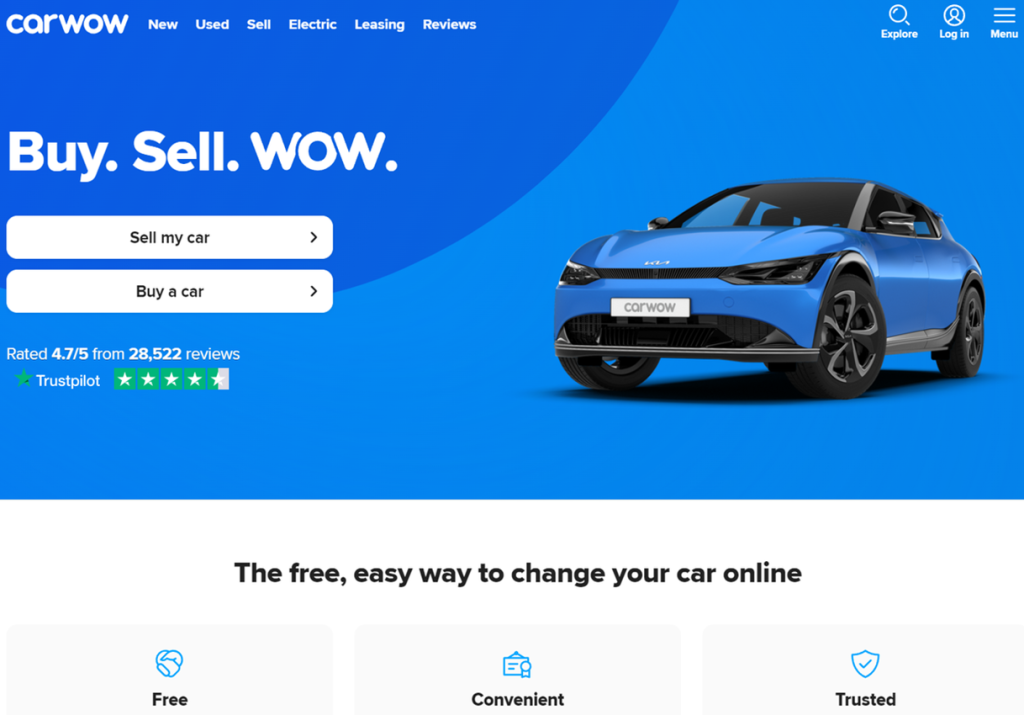
I started by opening the Carwow website and navigating to the “Car Leasing” section. Faced with a vast array of models, I used the filters to quickly narrow down my options: vehicle type, fuel type (petrol or electric), lease duration (24, 36, or 48 months), annual mileage allowance (5k, 8k, 10k, or 12k miles), and initial payment structure (common options like “3+23,” “6+35,” etc.). I ultimately selected a 36-month lease term with an annual mileage allowance of 10,000 miles and a “3+23” initial payment structure. Simply put, “3+23” means paying an amount equivalent to three monthly rentals upfront as an initial payment, followed by 23 standard monthly rental payments.
Carwow displays quotes from multiple dealerships; the monthly rental fee is all-inclusive—covering road tax and the manufacturer’s warranty—though it excludes insurance, routine maintenance, and excess mileage charges. I compared quotes from several dealerships and discovered that, even for the exact same vehicle model, the price difference could exceed £100 per month—underscoring just how important it is to shop around and compare prices. After a careful selection process, I locked in on the model that best suited my needs, which gave me a great sense of peace of mind.
Contacting the Dealership for a Personalized Quote
Once I had chosen my car, I clicked the “Enquire” button and provided my contact details. About a day later, a representative from the dealership reached out to me. We confirmed the exact vehicle specifications, color, estimated delivery date, as well as the specific initial payment amount and monthly rental fee. I also clarified the annual mileage cap and the excess mileage rate (typically ranging from 3p to 8p per mile), and took the opportunity to ask if a maintenance and servicing package could be bundled into the lease. The dealership ultimately provided me with a formal written quotation, giving me a clear and comprehensive understanding of the total leasing costs and terms.
Submitting the Application and Credit Check
Applying for a PCH lease requires passing a credit assessment conducted by the leasing company—a crucial step in the overall process. I prepared the following documents:
- Driver’s License (UK or EU)
- Proof of Address (Utility bill or bank statement, dated within the last 3 months)
- Proof of Income (Payslips, tax documents, or self-employment accounts)
- Bank Account Details
After submitting the online application form, the leasing company conducted a credit check and an anti-fraud review. Within approximately 1 to 3 business days, I received the approval result—I had passed successfully. This step gave me great confidence in the entire process.
Signing the Contract and Paying the Initial Rental
Once approved, I received the electronic version of the contract (Contract Hire Agreement). The moment I opened the file, I felt a mix of nervousness and anticipation. The contract was extremely detailed; I reviewed every clause, checking the lease term, annual mileage limit, monthly rental fee, initial rental amount, as well as the terms regarding vehicle damage and early termination. I paid particular attention to the penalties for excess mileage and the definition of “excessive wear and tear,” ensuring I fully understood my contractual obligations.
The entire process made me realize that while Personal Contract Hire (PCH) is convenient, the contractual terms are quite strict, and any oversight could result in additional costs down the line. Once I confirmed everything was in order, I completed the electronic signature—at that moment, I truly felt the excitement of “finally getting to drive a new car.” Subsequently, I paid the initial rental (Initial Rental), which typically amounts to 3 or 6 months’ worth of rent. This payment is non-refundable, but it is credited against future monthly rentals, effectively serving as an advance payment toward future monthly expenses. The moment I signed the contract, I finally felt that the car leasing journey had truly begun.
Vehicle Delivery: The Home Delivery Experience
The vehicle I chose was in stock; delivery took approximately 1 to 4 weeks, whereas a factory-customized order would have taken 3 to 6 months. The dealership arranged for free home delivery, a service covering the entire UK. On the day of delivery, I inspected the vehicle’s exterior and interior, verified the mileage, and cross-checked the accompanying documents (V5C registration, owner’s manual, and warranty card). Once I confirmed everything was correct, I signed to accept the vehicle and received the keys; the excitement of driving a brand-new car for the very first time was indescribable.
The Driving Experience During the Contract Term
Throughout the lease period, I paid a fixed monthly rental fee on time. Road tax and the manufacturer’s warranty were included in the cost, but I was required to purchase my own insurance; I opted for fully comprehensive coverage. At the same time, I adhered to the manufacturer’s maintenance schedule as outlined in the manual; I also had the option—though I chose not to exercise it—to purchase an additional maintenance package for an extra fee. The contract stipulated an annual mileage cap; I made a conscious effort to monitor and limit my driving distance to avoid incurring penalties for exceeding the limit, while simultaneously maintaining the vehicle in excellent condition to prevent any damage deemed to be “beyond normal wear and tear.” This entire leasing process gave me a profound appreciation for the advantages of PCH (Personal Contract Hire): transparent costs, fixed monthly payments, and minimal psychological stress.
Contract Expiration: A Smooth Return Process
Prior to the expiration of the contract, I contacted the leasing company to schedule a vehicle inspection. The inspection covered two main areas: verifying that the mileage remained within the contractual limits, and checking the vehicle’s bodywork and interior for any abnormal damage. Since I had maintained the vehicle in excellent condition and kept the mileage well within the stipulated range, I incurred no additional charges. I simply handed over the keys, and the contract was concluded. A defining characteristic of PCH is the absence of a “buyout option” at the end of the term; if you wish to continue driving, you can choose to lease a new vehicle or negotiate a contract renewal, but there are no final balloon payments or buyout transactions involved—a key distinction between PCH and PCP (Personal Contract Purchase), where a buyout option is typically available.
A Comprehensive Review: A Stress-Free and Transparent Leasing Experience
My entire vehicle leasing experience through Carwow left a lasting impression on me. The process of selecting and comparing vehicles was convenient; communication with the dealership was transparent; credit approval was swift; the contract signing process was clear and straightforward; vehicle delivery was hassle-free; and during the lease term, all costs were transparent and fully controllable. I came to deeply appreciate PCH as a low-risk, flexible, and stress-free method of vehicle leasing—one that is ideally suited for individuals who enjoy frequently switching cars or who prefer to avoid the burden of long-term vehicle loans.
Based on my own firsthand experience, if you are looking to explore a flexible and transparent personal vehicle leasing option, Carwow‘s PCH service is certainly worth serious consideration. The entire process was professional, efficient, and remarkably convenient, allowing me to fully enjoy the pleasure of driving without the looming anxiety of long-term financial commitments.